- HCPC Registered
- CSP Member
Expert Private Physiotherapy in West London
Helping you move better, recover faster, and live pain-free. Our HCPC-registered physiotherapists provide expert clinic appointments and home physiotherapy across West London with personalised, evidence-based treatment.
25 +
Years of Combined Clinical Experience
600 +
Patients Helped

Why Choose Physio Zones
We are committed to delivering high-quality physiotherapy services with personalised treatment plans that help you recover safely and effectively.
HCPC Registered Physiotherapists
Qualified professionals providing expert care.
Insurance Approved
We work with major UK insurance providers.
Evidence-Based Treatment
Modern treatment techniques tailored to your needs.
Home Visits Available
Professional physiotherapy in the comfort of your home.
Same Week Appointments
Fast access to physiotherapy when you need it.
Conditions We Treat
Our experienced physiotherapists provide expert assessment and personalised treatment for a wide range of musculoskeletal, neurological, and sports-related conditions, helping you recover safely and return to your daily activities with confidence.

Back Pain
back pain

Neck Pain
Shoulder Pain

Knee Pain

Arthritis

Sports Injuries

Stroke Rehabilitation

Parkinson's Disease

Multiple Sclerosis

Home Physiotherapy Services
Can’t visit our clinic? Our experienced physiotherapists provide professional home visit physiotherapy across West London. We deliver personalised treatment in the comfort of your own home, helping you recover safely and conveniently.
- Comfortable Home Treatment
- Flexible Appointment Times
- Elderly Care Support
- Post-Surgery Rehabilitation
Our Physiotherapy Services
Comprehensive treatments designed to relieve pain, restore mobility, and improve your overall wellbeing.

Musculoskeletal Physiotherapy
Assessment-led treatment for back, neck, shoulder, knee, and hip pain — built around what's actually driving the problem, not just where it hurts.
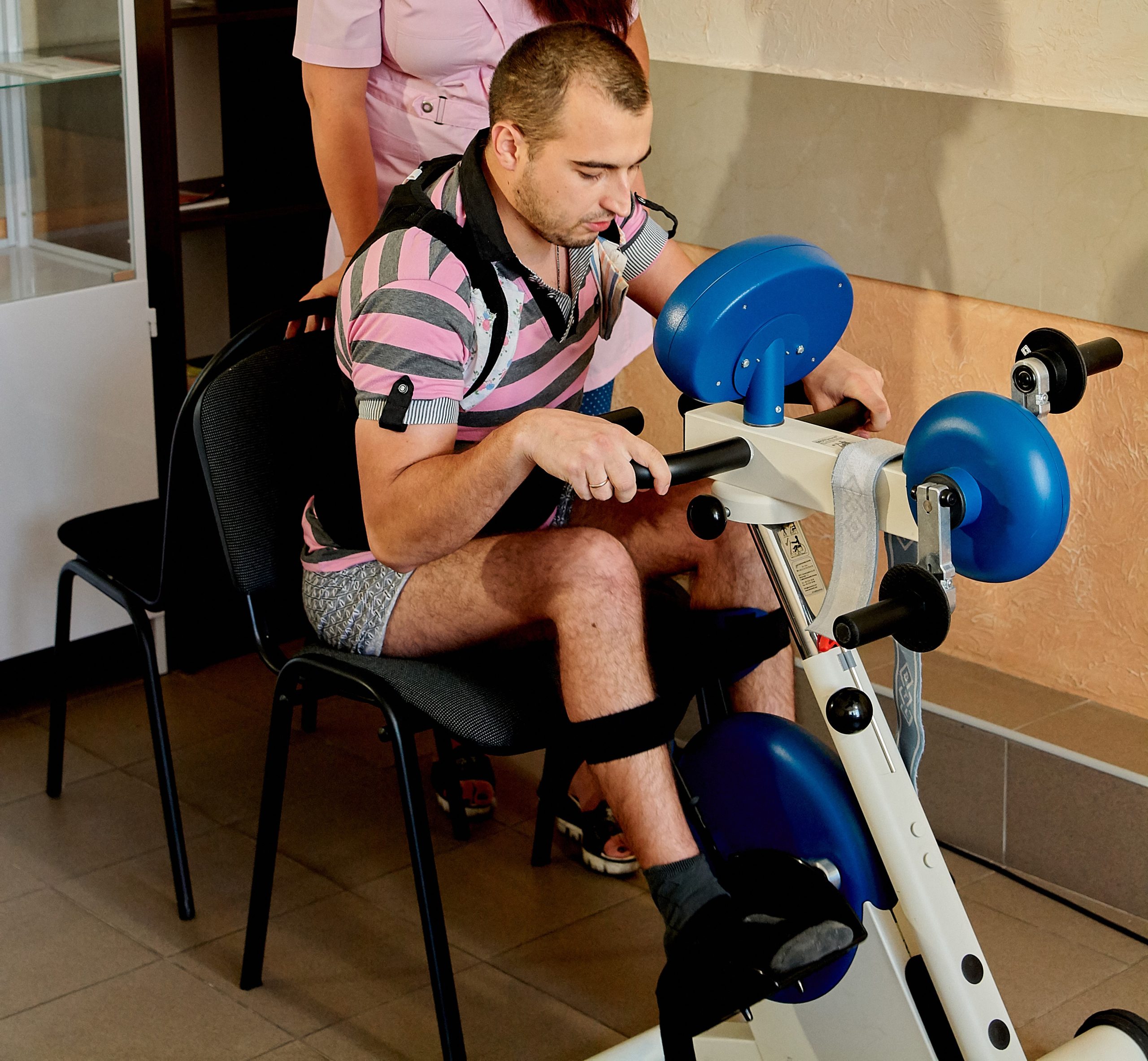
Neurological Physiotherapy
Physiotherapy for adults managing Parkinson's disease, multiple sclerosis, stroke, acquired brain injury, or spinal cord injury, with home visits available where appropriate.

Physiotherapy at Home
A qualified physiotherapist travels to you when a clinic visit isn't practical — for post-surgical recovery, reduced mobility, or care coordination for a family member.

Specialist Physiotherapy & Rehabilitation
Structured support for cardiac recovery, respiratory conditions, persistent pain, sports performance, and work-related physical problems — each with a defined, individually agreed pathway.
Why people choose us
A small, accountable clinical team
Choosing a physiotherapist is a healthcare decision. You should be able to understand who is providing care, what they do, and how you can verify their professional status. Each of our physiotherapists has a clear profile showing their role, relevant experience, areas of practice, and current HCPC registration details.
- HCPC registration details available for named clinicians
- A four-person physiotherapy team with 25 years of combined clinical experience
- Clear explanations before you decide on an appointment
- Information handled through an established privacy and governance process
- Service suitability and availability confirmed before booking
We’re upfront about what physiotherapy can and can’t realistically offer — no promised recovery timelines, no inflated claims, just an honest plan built around your goals.
Your Recovery Journey
Book Appointment
Schedule online or by phone.
Initial Assessment
Comprehensive assessment and diagnosis.
Treatment
Tailored treatment plan.
Recovery
Long-term recovery and prevention advice.
We Offer You The Best Quality Services
Physio Zones is built around a small, accountable clinical team. Each physiotherapist should have a clear profile showing their role, relevant experience, areas of practice, and current HCPC registration details.
- HCPC registration details available for named clinicians
- A four-person physiotherapy team with 25 years of combined clinical experience
- Clear explanations before you decide on an appointment
- Information handled through an established privacy and governance process
- Service suitability and availability confirmed before booking
Insurance Providers We Work With
We proudly accept patients covered by leading UK health insurance providers.








What Our Patients Say
See why patients trust Physio Zones for expert physiotherapy and rehabilitation.
Posted on GoogleTrustindex verifies that the original source of the review is Google. He is very good and PatiencePosted on GoogleTrustindex verifies that the original source of the review is Google. I had physiotherapy at physio zones at Brentford centre for my neck pain, professional and provide advise and treatmentPosted on GoogleTrustindex verifies that the original source of the review is Google. I had physio with Physio zones for my back pain thdh aññ heñpfullPosted on GoogleTrustindex verifies that the original source of the review is Google. I had good experience with physio Zones, very helpful and professional.Posted on GoogleTrustindex verifies that the original source of the review is Google. Outstanding experience at Physio Zones. Professional, friendly, and highly skilled team. The treatment was effective, and the clinic has a comfortable and welcoming environment. Highly recommended..!!Posted on GoogleTrustindex verifies that the original source of the review is Google. I’ve had six sessions with Pradeep and he has made a real difference to my sciatica. Highly recommended!Posted on GoogleTrustindex verifies that the original source of the review is Google. I’ve been here three times now, and every visit has been amazing. The staff are always welcoming, professional, and genuinely care about helping you improve.
Ready to Start Your Recovery Journey?
Take the first step towards a pain-free life with expert physiotherapy care. Book your appointment today and let our experienced team help you move better, feel stronger, and live healthier.
Support Given
Clients Rating
Happy Clients
Free Consultation
Not sure where to start? Fill out the form, and our experienced physiotherapists will review your symptoms and recommend the most suitable treatment plan.
- Free Initial Advice
- Personalised Treatment Guidance
- Experienced HCPC-Registered Physiotherapists
- No Obligation
Get Your Free Physiotherapy Consultation
Credentials
Registered, accountable, easy to check
HCPC Registered
Health and Care Professions Council, the UK regulator for physiotherapists. Verifiable on the public register.
CSP Membership
Chartered Society of Physiotherapy, where held by individual clinicians.
Information Governance
Current data-protection practice for how patient information is handled and stored.
Areas We Cover
We proudly provide clinic appointments and home physiotherapy services across West London and the surrounding areas, delivering expert care wherever you need it.
Brentford
Hounslow
Ealing
Richmond
Chiswick
Isleworth
Twickenham
Southall
Berkshire
Surrey
Frequently Asked Questions
Answers to what we hear most before people book. Still have a question?
Get in touch and we’ll help you find the right starting point.
What types of physiotherapy do you offer?
We provide musculoskeletal physiotherapy for pain and joint problems, neurological physiotherapy for conditions affecting the brain and nervous system, home visit physiotherapy where clinic attendance isn’t practical, and specialist rehabilitation covering cardiac, respiratory, persistent pain, sports, and workplace-related needs. Each has a dedicated page with the full clinical detail.
Which areas do you cover?
We provide clinic appointments and home physiotherapy across West London and selected areas of Berkshire, Surrey, and Buckinghamshire. Please contact us to confirm availability in your area.
Do I need a GP referral for private physiotherapy?
In most cases, no — private physiotherapy at Physio Zones typically allows self-referral. If your specific situation would benefit from medical coordination, we’ll explain why clearly at your first contact with us.
Can you help after surgery?
Absolutely. We provide rehabilitation following orthopaedic surgery, including knee replacement, hip replacement, shoulder surgery, spinal surgery, and fracture recovery.
What happens at a first physiotherapy assessment?
Your physiotherapist takes a history, carries out a relevant movement or functional assessment, and explains what they’ve found in plain language before agreeing a treatment plan and realistic next steps with you.
Can you help with neurological conditions like Parkinson's, MS, or stroke recovery?
Yes — our neurological physiotherapy service supports adults managing Parkinson’s disease, multiple sclerosis, stroke, acquired brain injury, and spinal cord injury, with home visits available where appropriate.
Can physiotherapy support someone after a hospital discharge?
Yes, where clinically appropriate. Post-hospital discharge physiotherapy is coordinated around your discharge information and current status. See our Physiotherapy at Home page for how this works.
How much does a physiotherapy appointment cost?
Cost depends on the type of appointment, its length, and whether home-visit travel is involved. We confirm this clearly before you commit to booking.
How do I book a physiotherapy appointment?
Contact us by phone, email, or the online booking form with a brief description of your situation. We’ll confirm suitability and availability before arranging your first appointment — there’s no charge for that initial check.



Blogs

Home Physiotherapy — Benefits, Who It Helps and What to Expect
Neurological Physiotherapy: Supporting Mobility and Independence