

- Parkinson's Physiotherapy
Specialist Parkinson's Physiotherapy at Our Clinic or in the Comfort of Your Home
Living with Parkinson’s disease can make everyday activities increasingly challenging. Symptoms such as slowed movement, stiffness, tremors, balance difficulties, and changes in walking can affect your confidence and independence. While Parkinson’s disease is a progressive neurological condition, physiotherapy plays a vital role in helping people maintain mobility, improve function, reduce falls risk, and enhance their quality of life.
At Physio Zones, our HCPC-registered Chartered Physiotherapists provide specialist Parkinson’s disease physiotherapy tailored to your individual needs. We use evidence-based rehabilitation techniques to help you move more freely, stay active, and remain as independent as possible throughout every stage of the condition.
Whether you have recently been diagnosed or have been living with Parkinson’s disease for many years, our personalised treatment programmes are designed to help you achieve your goals.
HCPC-registered clinicians
NICE-aligned care
Same-day slots when available
London · Surrey · Berkshire

What it is
What Is Parkinson's Disease?
Parkinson’s disease is a progressive neurological condition that affects the brain’s ability to control movement. It develops when nerve cells that produce dopamine gradually become damaged or die, leading to changes in movement, balance, coordination, and muscle control.
Although there is currently no cure, physiotherapy is recommended as part of a multidisciplinary approach to help people manage symptoms and maintain independence.

Common Parkinson's Symptoms We Treat
Our physiotherapists regularly help patients experiencing:
Walking Difficulties
- Shuffling gait
- Small steps
- Reduced walking speed
- Difficulty turning
- Freezing of gait
Balance Problems
Reduced balance can increase the risk of falls. Our rehabilitation focuses on improving stability and confidence.
Muscle Stiffness (Rigidity)
Stretching and movement exercises help improve flexibility and reduce stiffness.
Reduced Mobility
Difficulty getting out of bed, standing from a chair, climbing stairs, or moving around safely.
Postural Changes
Forward-flexed posture and reduced trunk movement can affect balance and walking.
Fatigue
Graded exercise programmes help improve endurance while managing energy levels.
Reduced Confidence
Many people become less active because they fear falling. Physiotherapy helps rebuild confidence through safe and progressive rehabilitation.
Presentations we assess
Your Personalised Rehabilitation Programme

Home Physiotherapy for Parkinson's Disease
Travelling can become increasingly difficult as Parkinson's disease progresses. Our home physiotherapy service allows you to receive specialist rehabilitation in familiar surroundings where treatment can focus on your daily routine and home environment
Exercise and Parkinson's Disease
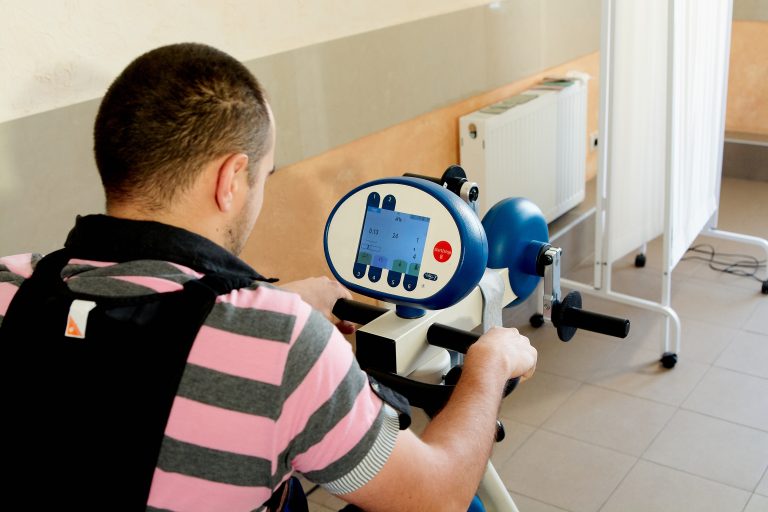
Research shows that regular exercise is one of the most effective ways to manage Parkinson's disease. Physiotherapy-led exercise can help: Maintain mobility, Improve walking, Increase strength, Enhance balance, Improve posture, Reduce stiffness, Improve cardiovascular fitness, Maintain independence
Benefits of Parkinson's Physiotherapy
Regular physiotherapy may help you: Walk more confidently, Improve balance, Reduce falls, Improve posture, Increase flexibility, Maintain muscle strength, Improve mobility, Stay independent longer, Improve confidence, Enhance quality of life
Why Choose Physio Zones?
HCPC-Registered Physiotherapists Chartered Physiotherapists Specialist Neurological Rehabilitation Evidence-Based Treatment One-to-One Personalised Care Clinic Appointments & Home Visits Goal-Focused Rehabilitation
Your first appointment
A conversation and an assessment, not a pre-set treatment
Detailed clinical history
When the pain began, what changes it, previous episodes, medical history, work demands, sleep and personal recovery goals.
Movement and functional assessment
Observation of spinal, hip and everyday movements, rather than judging posture from appearance alone.
Muscle, joint and nerve screening
Selected tests based on your symptoms, including neurological checks when leg symptoms are present.
Clear explanation and plan
A plain-English discussion of likely contributing factors, an initial management plan, and agreed measurable review points.

What treatment can include
Evidence-led care, built around your goals
Personalised rehabilitation
Graded mobility, strength, control and activity progression matched to your current ability and goals.
Self-management guidance
Realistic advice for sitting, driving, lifting, sleep positions and pacing during a flare-up.
Manual therapy where appropriate
Hands-on techniques as one part of a wider programme that includes exercise and self-management — never a stand-alone quick fix.
Return-to-activity planning
A staged route back to work, caring responsibilities, exercise, hobbies or sport, with progress reviewed against meaningful milestones.

Beyond the clinic
When a clinic appointment isn't the right fit
If clinic visits are impractical, or your symptoms are tied to
a specific setting, related pathways may be more appropriate.
Home visit physiotherapy
If mobility, recovery from surgery or difficulty travelling makes clinic visits hard, assessment and rehabilitation can be delivered at home.
Online & telehealth
A remote consultation can be a useful first step or a way to maintain progress between in-person sessions.
Workplace physiotherapy
If back pain is tied to prolonged sitting, manual handling or repetitive work, a workplace-aware approach often supports recovery.
Why choose Physio Zones
Person-centred, honest and locally relevant
Person-centred decisions
Your concerns, capabilities, preferences and daily responsibilities shape the plan — not a one-size-fits-all protocol.
Honest clinical guidance
If physiotherapy isn't the right next step, the priority is appropriate onward advice or referral.
Locally relevant planning
Recommendations are adapted to commuting, desk work, driving, caring duties and manual work common across our service area.
No unrealistic guarantee
Healthcare outcomes vary. Our commitment is to communicate clearly, review progress and adjust the plan responsibly.

- Where we work
Across Berkshire, Surrey & South West London
We support patients from:
Bracknell
- Windsor
- Slough
- Maidenhead
- Bracknell
Surrey
- Guildford
- Woking
- Reigate
- Epsom
Kingston
- Kingston upon Thames
- Wimbledon
- Twickenham
- Richmond
Hounslow
- Hounslow
- Brentford
- Chiswick
Frequently Asked Questions
How can physiotherapy help people with Parkinson's disease?
Physiotherapy helps people with Parkinson’s disease improve mobility, balance, walking, posture, flexibility, and muscle strength. It also helps reduce the risk of falls, maintain independence, and improve confidence in everyday activities.
When should I start physiotherapy after being diagnosed with Parkinson's disease?
It is beneficial to start physiotherapy as early as possible after diagnosis. Early intervention can help maintain movement, improve fitness, establish healthy movement patterns, and slow the impact of symptoms on daily life.
Can physiotherapy slow the progression of Parkinson's disease?
Physiotherapy cannot stop or cure Parkinson’s disease, but regular exercise and physiotherapy can help manage symptoms, maintain mobility, improve function, and support a better quality of life throughout the condition.
What happens during my first Parkinson's physiotherapy appointment?
Your physiotherapist will carry out a detailed assessment of your mobility, balance, walking pattern, posture, muscle strength, flexibility, coordination, and daily activities. Together, you will agree on personalised rehabilitation goals and develop a treatment plan tailored to your needs.
Can physiotherapy improve walking difficulties caused by Parkinson's disease?
Yes. Physiotherapy includes gait (walking) training to improve stride length, walking speed, posture, turning, and confidence. It can also provide strategies to manage freezing of gait and improve overall walking ability.
Can physiotherapy help with stiffness and muscle rigidity?
Yes. Stretching exercises, mobility training, and movement techniques can help reduce stiffness, improve flexibility, and make everyday movements easier and more comfortable.
Do you provide home physiotherapy for Parkinson's disease?
Yes. Physio Zones offers home physiotherapy visits across West London. Home visits allow rehabilitation to focus on your daily routine, home environment, transfers, stairs, and other functional activities that are important to your independence.
How often should I have physiotherapy?
The frequency of treatment depends on your symptoms, stage of Parkinson’s disease, and rehabilitation goals. Following your assessment, your physiotherapist will recommend a personalised treatment schedule and home exercise programme.
Is exercise safe for people with Parkinson's disease?
Yes. Regular exercise is strongly recommended for most people living with Parkinson’s disease. Exercise can improve strength, balance, flexibility, walking, cardiovascular fitness, and overall wellbeing. Your physiotherapist will prescribe exercises that are safe and appropriate for your abilities.
Book Your Parkinson's Disease Physiotherapy Assessment Today
Book your Parkinson’s disease physiotherapy assessment today and let us help you stay active, move with confidence, and live as independently as possible.