
- Specialist Stroke Rehabilitation
Spinal Cord Injury Physiotherapy in West London
A spinal cord injury (SCI) can significantly affect movement, strength, sensation, balance and independence. The impact varies depending on the level and severity of the injury, which means rehabilitation needs to be carefully tailored to each person’s abilities, circumstances and goals.
At Physio Zones, our HCPC-registered Chartered Physiotherapists provide personalised Spinal Cord Injury Physiotherapy and neurological rehabilitation for adults living with the effects of spinal cord injury.
Our rehabilitation focuses on helping you maximise your physical abilities, maintain movement, improve functional mobility and work towards greater independence in everyday life.
We provide clinic appointments and home neurological physiotherapy visits across West London, depending on individual needs, clinical suitability and location.
✓ Specialist Neurological Physiotherapy
✓ Personalised Spinal Cord Injury Rehabilitation
✓ Strength, Mobility & Functional Training
✓ Clinic Appointments & Home Visits
HCPC-registered clinicians
NICE-aligned care
Same-day slots when available
London · Surrey · Berkshire
What it is
What Is a Spinal Cord Injury?
A spinal cord injury occurs when damage to the spinal cord affects communication between the brain and the rest of the body.
Spinal cord injuries may result from:
- Road traffic accidents
- Falls
- Sports injuries
- Workplace accidents
- Spinal trauma
- Infections
- Tumours
- Vascular problems
- Other medical or neurological conditions
The physical effects depend on where the spinal cord has been affected and whether the injury is complete or incomplete.
Some people may experience weakness or altered sensation in their legs, while others may have more extensive changes affecting both the upper and lower limbs.


Complete & Incomplete Spinal Cord Injuries
Spinal cord injuries are commonly described as complete or incomplete.
Complete Spinal Cord Injury
A complete injury results in loss of motor and sensory function below the level of the injury.
Incomplete Spinal Cord Injury
With an incomplete injury, some sensory or motor function remains below the level of injury.
Every person’s presentation is different, so physiotherapy rehabilitation should be based on an individual assessment rather than diagnosis alone.
Presentations we assess
Personalised Spinal Cord Injury Rehabilitation

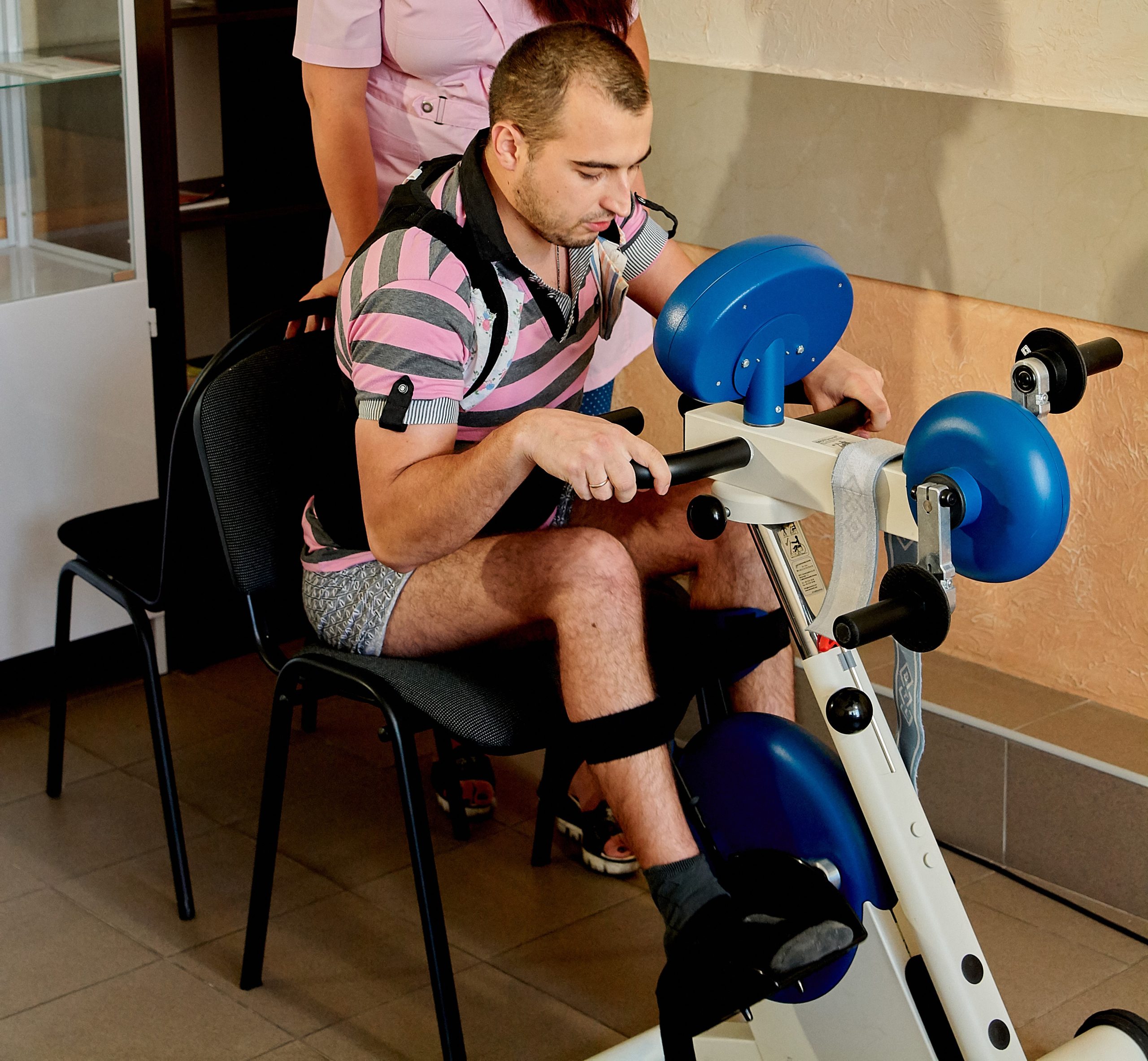
Your treatment will depend on:
Level of injury Completeness of injury Available movement Muscle strength Sensation Mobility Medical considerations Previous rehabilitation Home environment Personal goals
Your programme may include:
Strengthening Mobility exercises Stretching Balance rehabilitation Transfer training Bed mobility Standing practice where appropriate Walking rehabilitation where appropriate Postural rehabilitation Functional exercises Physical conditioning Your programme will be regularly reviewed and adapted according to your progres
Managing Spasticity & Muscle Stiffness
Some spinal cord injuries can result in increased muscle tone or spasms. Physiotherapy management may include: Positioning Stretching Weight-bearing activities where appropriate Movement exercises Functional rehabilitation Advice on activity and positioning If spasticity changes significantly or interferes with function, comfort or care, further medical review may be recommended.
Preventing Secondary Complications
Reduced mobility following spinal cord injury can increase the risk of secondary physical complications. Physiotherapy can contribute to prevention strategies through: Maintaining movement Positioning Exercise Strengthening Physical activity Mobility practice Education People with spinal cord injury may also require specialist management for skin integrity, respiratory function, autonomic dysfunction, bowel and bladder management and other medical issues. These should be managed with the appropriate multidisciplinary healthcare team.
Your first appointment
A conversation and an assessment, not a pre-set treatment
Detailed clinical history
When the pain began, what changes it, previous episodes, medical history, work demands, sleep and personal recovery goals.
Movement and functional assessment
Observation of spinal, hip and everyday movements, rather than judging posture from appearance alone.
Muscle, joint and nerve screening
Selected tests based on your symptoms, including neurological checks when leg symptoms are present.
Clear explanation and plan
A plain-English discussion of likely contributing factors, an initial management plan, and agreed measurable review points.

What treatment can include
Evidence-led care, built around your goals
Personalised rehabilitation
Graded mobility, strength, control and activity progression matched to your current ability and goals.
Self-management guidance
Realistic advice for sitting, driving, lifting, sleep positions and pacing during a flare-up.
Manual therapy where appropriate
Hands-on techniques as one part of a wider programme that includes exercise and self-management — never a stand-alone quick fix.
Return-to-activity planning
A staged route back to work, caring responsibilities, exercise, hobbies or sport, with progress reviewed against meaningful milestones.
What Our Patients Say
See why patients trust Physio Zones for expert physiotherapy and rehabilitation.
Posted on GoogleTrustindex verifies that the original source of the review is Google. He is very good and PatiencePosted on GoogleTrustindex verifies that the original source of the review is Google. I had physiotherapy at physio zones at Brentford centre for my neck pain, professional and provide advise and treatmentPosted on GoogleTrustindex verifies that the original source of the review is Google. I had physio with Physio zones for my back pain thdh aññ heñpfullPosted on GoogleTrustindex verifies that the original source of the review is Google. I had good experience with physio Zones, very helpful and professional.Posted on GoogleTrustindex verifies that the original source of the review is Google. Outstanding experience at Physio Zones. Professional, friendly, and highly skilled team. The treatment was effective, and the clinic has a comfortable and welcoming environment. Highly recommended..!!Posted on GoogleTrustindex verifies that the original source of the review is Google. I’ve had six sessions with Pradeep and he has made a real difference to my sciatica. Highly recommended!Posted on GoogleTrustindex verifies that the original source of the review is Google. I’ve been here three times now, and every visit has been amazing. The staff are always welcoming, professional, and genuinely care about helping you improve.
Beyond the clinic
When a clinic appointment isn't the right fit
If clinic visits are impractical, or your symptoms are tied to
a specific setting, related pathways may be more appropriate.
Home visit physiotherapy
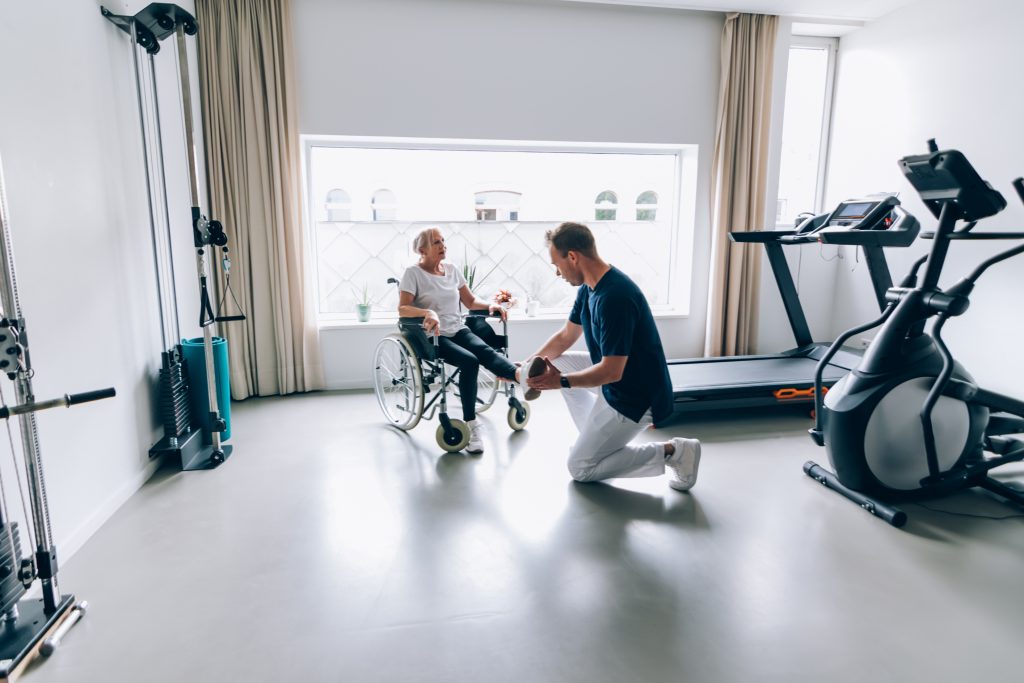
If mobility, recovery from surgery or difficulty travelling makes clinic visits hard, assessment and rehabilitation can be delivered at home.
Online & telehealth
A remote consultation can be a useful first step or a way to maintain progress between in-person sessions.
Workplace physiotherapy
If back pain is tied to prolonged sitting, manual handling or repetitive work, a workplace-aware approach often supports recovery.
Why choose Physio Zones
Person-centred, honest and locally relevant
Person-centred decisions
Your concerns, capabilities, preferences and daily responsibilities shape the plan — not a one-size-fits-all protocol.
Honest clinical guidance
If physiotherapy isn't the right next step, the priority is appropriate onward advice or referral.
Locally relevant planning
Recommendations are adapted to commuting, desk work, driving, caring duties and manual work common across our service area.
No unrealistic guarantee
Healthcare outcomes vary. Our commitment is to communicate clearly, review progress and adjust the plan responsibly.

- Where we work
Across Berkshire, Surrey & South West London
We support patients from:
Bracknell
- Windsor
- Slough
- Maidenhead
- Bracknell
Surrey
- Guildford
- Woking
- Reigate
- Epsom
Kingston
- Kingston upon Thames
- Wimbledon
- Twickenham
- Richmond
Hounslow
- Hounslow
- Brentford
- Chiswick
Frequently Asked Questions
How can physiotherapy help after a spinal cord injury?
Physiotherapy can help maximise physical function following a spinal cord injury. Depending on your abilities, rehabilitation may focus on maintaining joint movement, improving strength, balance, transfers, mobility, physical fitness and functional independence.
When should physiotherapy start after a spinal cord injury?
Physiotherapy often begins in hospital once the person is medically stable. Rehabilitation may continue after discharge through specialist rehabilitation, outpatient services or home-based physiotherapy depending on individual needs.
Can someone walk again after a spinal cord injury?
Walking potential varies considerably and depends on factors such as the level and completeness of the injury and the amount of motor function available. Some people with incomplete injuries may work towards standing or walking, while others may focus on wheelchair mobility and independence.
Can physiotherapy improve muscle strength?
Yes. Where muscle function is present, appropriately prescribed exercises can help improve or maintain strength. Rehabilitation may also focus on upper-body and core strength to support transfers, posture and everyday mobility.
Can physiotherapy help with transfers?
Yes. Transfer training can be an important part of spinal cord injury rehabilitation. Physiotherapy may include practising bed-to-chair, wheelchair, toilet and car transfers, depending on your individual abilities and goals.
Can physiotherapy help with balance and trunk control?
Yes. Rehabilitation can include exercises to improve sitting balance, trunk control, weight shifting and functional reaching. These abilities can be important for transfers, dressing and other everyday activities.
Can physiotherapy help with muscle stiffness and spasticity?
Physiotherapy may help manage stiffness and altered muscle tone through positioning, stretching, movement and functional activities. If spasticity is severe, painful or changing significantly, further medical assessment may be recommended.
What happens during a spinal cord injury physiotherapy assessment?
What happens during a spinal cord injury physiotherapy assessment?
Your physiotherapist will review your injury, medical history, previous rehabilitation, current mobility and personal goals. The physical assessment may include strength, joint movement, muscle tone, posture, sitting or standing balance, transfers, mobility and walking where appropriate.
Yes. Physio Zones offers home physiotherapy visits across West London. Home rehabilitation is ideal for people with limited mobility or those who prefer treatment in their own environment, allowing therapy to focus on everyday tasks within the home.
Book Your MS Physiotherapy Assessment Today
Take the first step towards improving your mobility, strength, and independence with expert stroke rehabilitation from Physio Zones.