

- Neurological Physiotherapy
Neurological physiotherapy across Berkshire, Surrey & West London
Assessment-led physiotherapy for adults living with the effects of Parkinson’s disease, multiple sclerosis, stroke, acquired brain injury, and spinal cord injury — with home visits available where appropriate.
Physio Zones provides neurological physiotherapy built around your specific goals, whether that’s walking more confidently, managing daily transfers, regaining function after a hospital stay, or simply understanding what physiotherapy could realistically offer for your situation. Every plan starts with a proper assessment — never a generic programme.
25 years' neurological experience
Home visits available
HCPC-registered clinicians
MDT-coordinated care
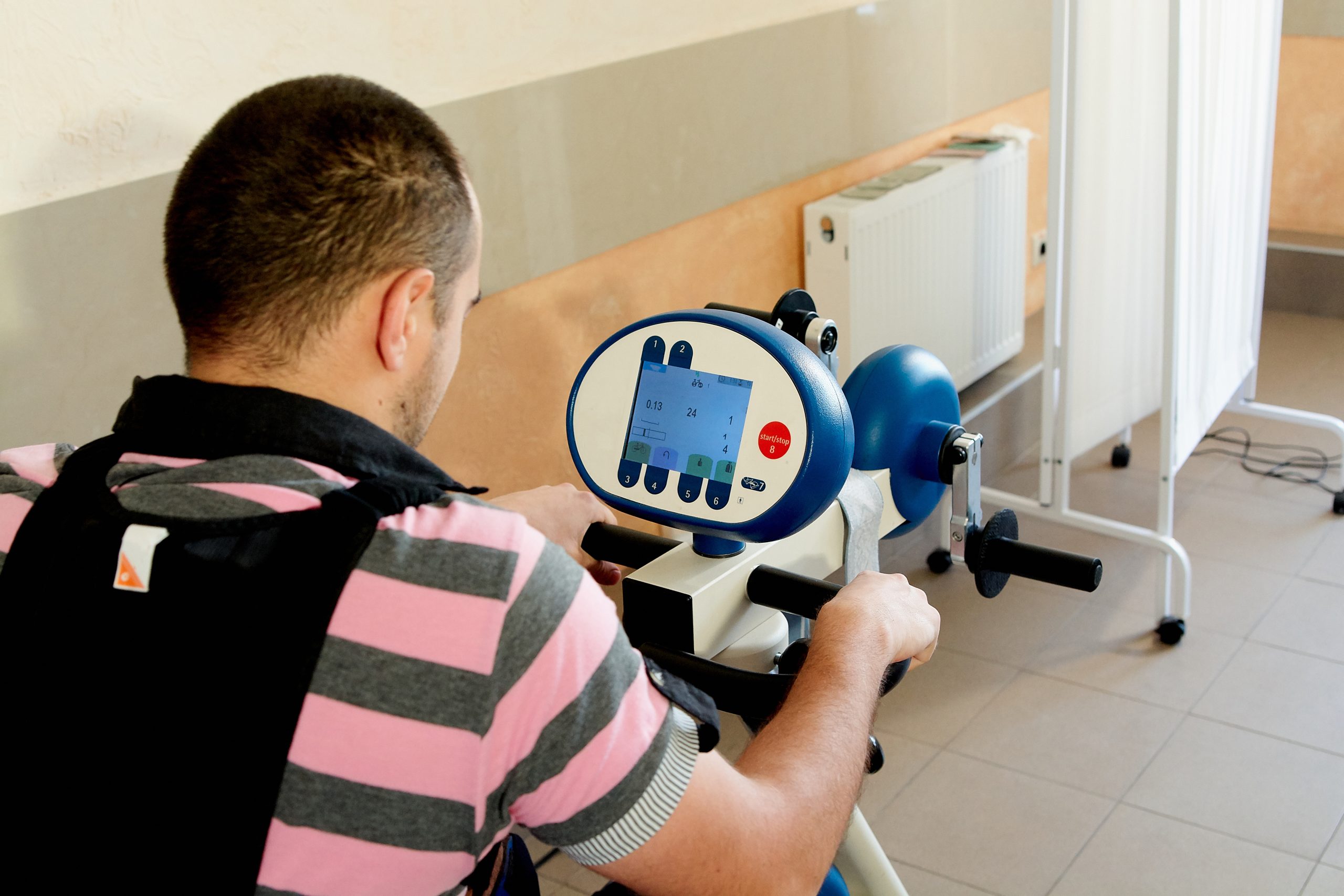
What it is
What is neurological physiotherapy?
Neurological physiotherapy is physiotherapy for people whose movement, balance, coordination, or function has been affected by a condition or injury involving the brain, spinal cord, or nervous system. A neurological physiotherapist carries out an individual assessment, agrees rehabilitation goals with you, and builds a tailored plan that may involve:
- Gait re-education — supporting safer, more confident walking patterns
- Balance rehabilitation — working on stability and coordination, without claiming to eliminate fall risk
- Functional rehabilitation — practising the specific movements and transfers relevant to daily life
- Mobility assessment — understanding current movement capability in the context of your environment and goals
- Coordination with your wider multidisciplinary team, including medical, occupational therapy, and speech and language colleagues where relevant
Neurological physiotherapy is commonly relevant to Parkinson’s disease, multiple sclerosis, stroke recovery, acquired brain injury, and spinal cord injury — each of which has its own considerations, which is why we maintain a dedicated page for each condition area rather than treating them identically.


If you're researching for someone else
You're not alone in landing here
A lot of people land on this page not because they’re looking for physiotherapy for themselves, but because they’re trying to understand options for a parent, a partner, or another family member — often shortly after a diagnosis, a hospital admission, or a discharge conversation that left more questions than answers.
That’s a different starting point to most physiotherapy enquiries, and it deserves a different kind of page. You might be trying to work out whether physiotherapy is appropriate at all, whether home visits are realistic, how it fits alongside hospital or community NHS input, or simply what an actual appointment would look like before committing to anything.
Equally, many people contacting us are managing their own neurological condition directly and know exactly what they’re looking for — a physiotherapist with genuine, relevant experience, a clear sense of what an assessment involves, and a straightforward way to book.
Whichever applies to you, the starting point is the same: a conversation or an assessment, not a sales process. If it’s easier to talk it through before booking anything, that’s a completely normal first step.
Condition pathways
Neurological conditions vary enormously — we treat them accordingly

Parkinson's Disease
Focused on movement, gait and balance, mobility and maintaining function in daily activities — built around your specific symptoms and stage, not a standard programme.
Multiple Sclerosis
Plans that account for the wide variation in how MS presents — fatigue, mobility changes, balance and coordination — reviewed as symptoms evolve.
Stroke Rehabilitation
Person-centred and coordinated with your wider care, focusing on functional movement, mobility and the goals that matter most to your daily life.
Acquired Brain Injury
Goal-led, multidisciplinary framing — effects of brain injury vary significantly between individuals and rehabilitation needs are assessed accordingly.
Spinal Cord Injury
Delivered with a clearly defined scope, working alongside — not replacing — specialist spinal injury centre care where already involved.
Balance & mobility difficulties
Structured, progressive work on stability, weight transfer and coordination — supporting confidence and function in daily life.
Your assessment
What happens at a neurological physiotherapy assessment
Consent and context
Your physiotherapist talks through what the assessment involves and gets your consent. If a family member or carer is present and you'd like them involved, that's entirely your choice — we follow your lead
History
We talk through your diagnosis, relevant medical history, current symptoms and — importantly — what matters most to you. Walking to the end of the road unaided, managing stairs, transferring safely.
Functional and movement review
A mobility assessment and review of relevant movement, balance and function — always in the context of your goals and environment, not as an abstract clinical exercise.
Agreed goals and plan
You'll come away with a clear explanation of what was found, rehabilitation goals agreed with you (not handed to you), and a sense of what the plan involves.
Review and coordination
How progress will be reviewed over time, and — where relevant — how we coordinate with your GP, consultant, OT or other clinicians. Neurological rehabilitation rarely happens in isolation.

Methods
The approaches that shape a neurological rehabilitation plan
Gait re-education
Pattern, safety, and efficiency of walking — step length, balance through the walking cycle, and confidence on different surfaces. Gradual and safe, never a quick fix.
Balance rehabilitation
Structured, progressive work on stability, weight transfer and coordination. We never frame this as fall prevention or risk elimination — no approach can guarantee that.
Functional rehabilitation
Focused on the specific movements that matter in daily life — getting in and out of a chair, managing stairs, dressing, or other personal goals.
Goal setting & review
A transparent process — agreeing what matters, working toward it, and reviewing honestly whether the plan is working or needs to change.
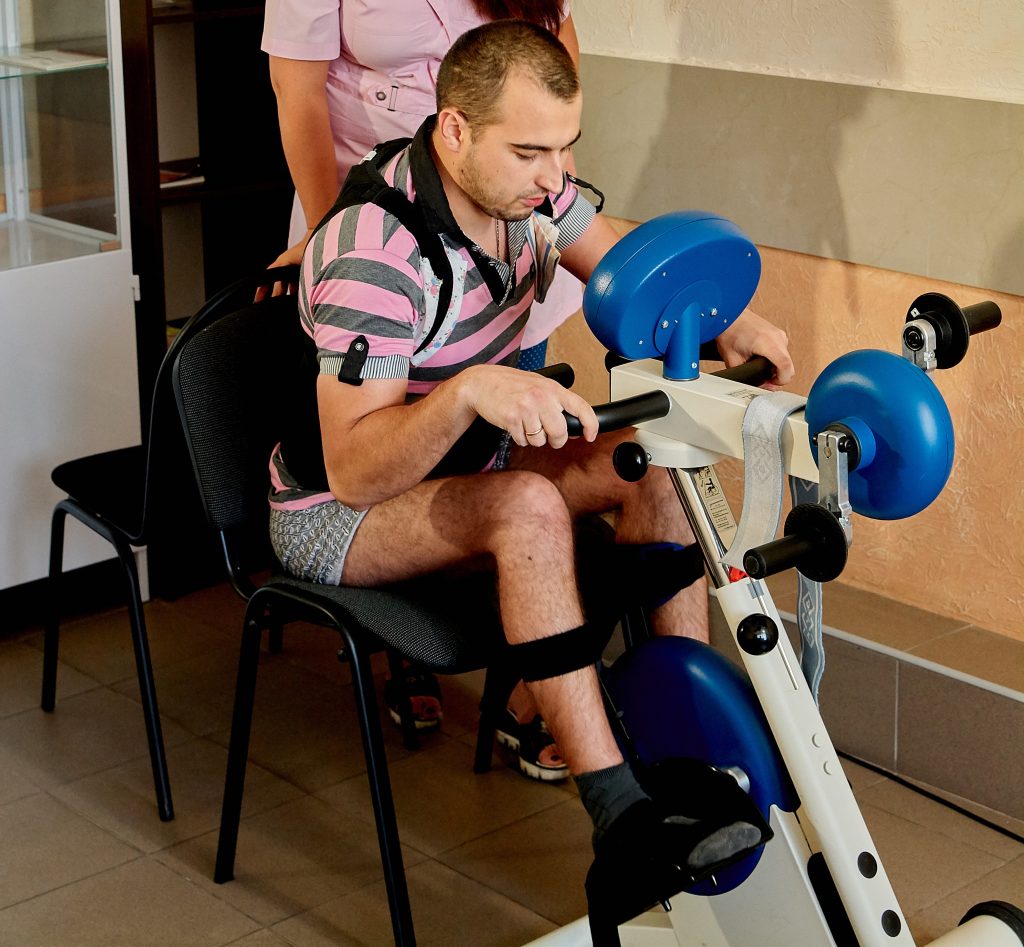
Methods
When a clinic visit isn't the right fit
Neurological conditions often make travelling to a clinic genuinely difficult —
which is why home-based and remote options sit close to the centre of how we deliver this service.
Neurological home physiotherapy
Assessment and treatment in your own home, where mobility, transfers and daily function can often be assessed more realistically than in a clinic.
Post-hospital discharge support
Support for the transition home following a discharge — coordinated around your discharge information and current clinical status. Timing is guided by individual circumstances.
Online & telehealth
For some people and stages of rehabilitation, online consultation is a useful option — though remote assessment isn't suitable for every condition or need.
Who you'd be working with
25 years' experience across community, home and post-discharge settings
HCPC-registered
Our neurological physiotherapists are registered with the Health and Care Professions Council. Verify any registration on the HCPC's public register.
Chartered Society of Physiotherapy
Where applicable, our clinicians hold membership with the CSP — the UK's professional body for physiotherapy.
Relevant neurological experience
Mr. Pradeep Vanteru, BSc (Hons) Physiotherapy, MCSP — 25 years' experience supporting adults through neurological rehabilitation in community, home-based, stroke recovery and post-discharge pathways.
Areas of clinical experience
Parkinson's disease, multiple sclerosis, stroke rehabilitation, acquired brain injury, spinal cord injury, mobility difficulties, balance rehabilitation and neurological home physiotherapy.

- Areas We Support
Areas We Support Near Osterley
We support patients from:
Your physiotherapy assessment may consider:
Osterley
Isleworth
Heston
Cranford
Brentford
Feltham
Hanworth
Southall
Ealing
Chiswick
Whitton
Twickenham
Richmond
Who you'd be working with
Physio Zones provides community-based, assessment-led neurological physiotherapy. It is not a replacement for hospital neurological rehabilitation, specialist spinal injury centre services, emergency medical care, or your existing medical team’s input. If you or someone you’re caring for experiences sudden new weakness, sudden difficulty speaking or understanding speech, sudden severe headache, sudden vision changes, sudden loss of balance or coordination, or any other symptom that could indicate a stroke or acute neurological event, seek emergency medical attention immediately by calling 999 — do not wait for a physiotherapy appointment.
Frequently Asked Questions
What does neurological physiotherapy involve?
An individual assessment of your movement, function and goals, followed by a tailored plan that may include gait re-education, balance work, functional rehabilitation and practical support with daily movement and transfers. Plans are reviewed over time and coordinated with your wider team.
What happens at a neurological physiotherapy assessment?
A typical assessment starts with consent and a conversation about what to expect, followed by a discussion of your history, condition and goals. Your physiotherapist then carries out a movement and functional review, explains findings in plain language, and agrees a treatment plan with you.
Can neurological physiotherapy help after a stroke?
Physiotherapy is commonly part of stroke rehabilitation, and many people find it valuable for functional movement, mobility and personally meaningful goals. We’re careful never to promise a specific recovery timescale — it’s most effective when coordinated with your wider team.
Can physiotherapy support people with Parkinson's disease?
Yes, in many cases — Parkinson’s physiotherapy typically focuses on movement, gait, balance and maintaining function in daily activities, built around your specific symptoms and stage. Physiotherapy doesn’t modify the underlying disease process.
Do you offer neurological physiotherapy at home?
Where coverage and suitability allow, yes. Home visits are genuinely central to how we deliver this service, given how often clinic travel is difficult. Suitability, safety and travel coverage are confirmed before any visit is arranged.
Do I need a referral for private neurological physiotherapy?
In many cases, private neurological physiotherapy can be accessed without a formal medical referral, though coordination with your existing medical team is often useful given the complexity of neurological conditions. We’ll clarify what applies to your situation when you first contact us.
How much does neurological physiotherapy cost?
Initial assessment £95, follow-up £75. Home visits from £135 for initial and from £110 for follow-up. Cost can be affected by appointment length, travel distance and complexity — we’ll always confirm before you commit.
How long does neurological rehabilitation take?
There’s no standard timescale we can honestly give — progress and rehabilitation needs vary enormously. Rather than a generic timeframe, we focus on agreeing meaningful goals, reviewing progress at regular intervals, and adjusting the plan as your situation develops.
Can neurological physiotherapy be done online?
In some circumstances, yes — for certain conversations, reviews or specific aspects of rehabilitation. Remote assessment isn’t suitable for every condition or stage, particularly where hands-on functional or balance assessment is needed.
Ready to talk through your situation?
Whether you’re booking for yourself or researching on behalf of someone else, the next step doesn’t have to be a commitment. A conversation first is completely normal.