Specialist physiotherapy & rehabilitation across Berkshire, Surrey & West London
Assessment-led specialist rehabilitation physiotherapy for cardiac recovery, pulmonary conditions, persistent pain, sports performance, and workplace and occupational needs — with individual eligibility confirmed before any programme begins.
Physio Zones delivers specialist physiotherapy for people who need more than a standard physiotherapy appointment — whether that means structured cardiac rehabilitation following a heart event, managed support for persistent pain that hasn’t responded to typical approaches, performance-focused assessment for returning to sport, or physiotherapy designed around the demands of your job. Every pathway begins with an assessment. Every plan is agreed upon individually.
5 defined rehab pathways
HCPC-registered specialists
Individual eligibility check
Clinical outcome measures used

What it is
Specialist physiotherapy & rehabilitation — what this service covers
Specialist physiotherapy and rehabilitation refers to physiotherapy delivered within a specific clinical context, using evidence-informed approaches relevant to that context, rather than a general musculoskeletal or mobility appointment. At Physio Zones, this covers five defined pathways:
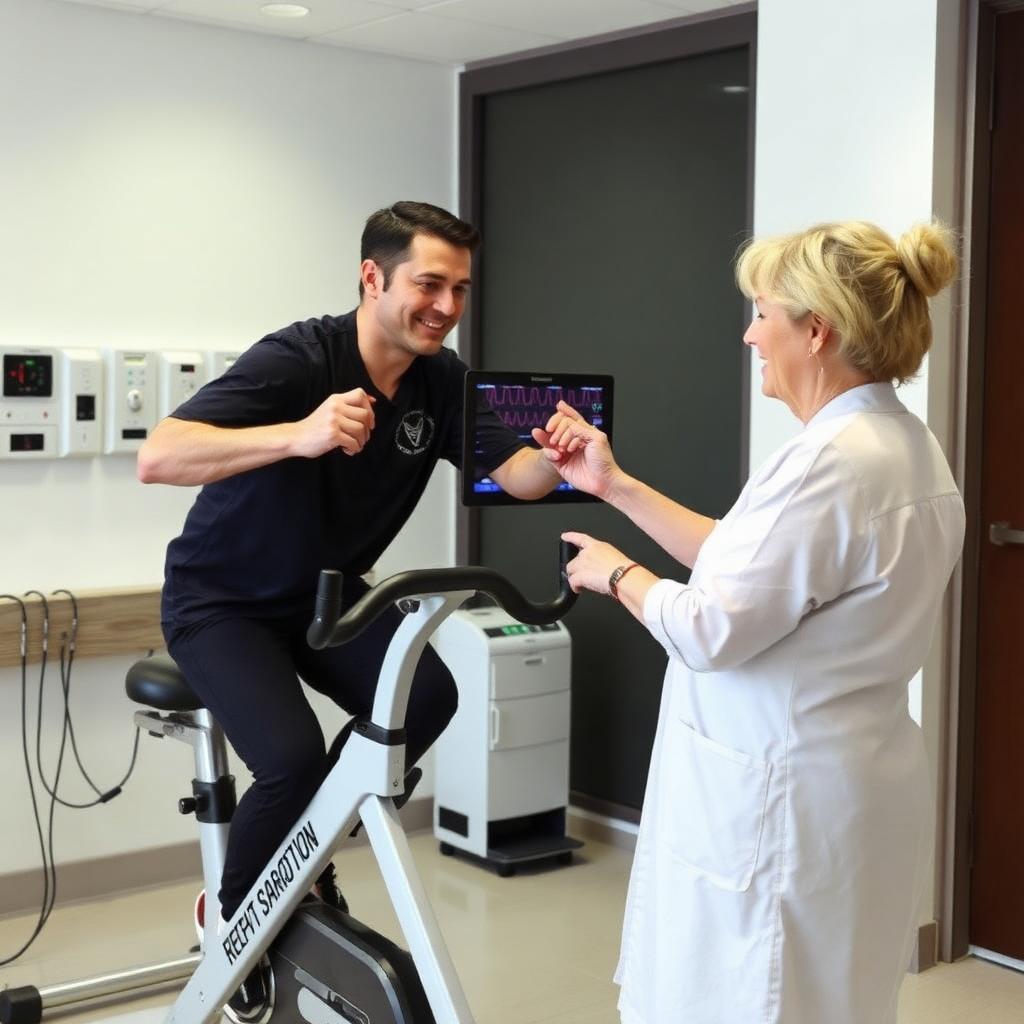
- Cardiac rehabilitation physiotherapy — structured exercise and education support for people recovering from a cardiac event or living with cardiovascular conditions, subject to clinical suitability and any relevant medical guidance
- Pulmonary rehabilitation physiotherapy — exercise and breathlessness management support for adults with respiratory conditions such as COPD, typically alongside or following clinical assessment of eligibility
- Pain management physiotherapy — support for people living with persistent or chronic pain, focused on function, activity pacing, self-management strategies, and quality of daily life — not on a promise to remove pain
- Sports performance physiotherapy — assessment-led rehabilitation and performance support for athletes, recreational sports participants, and anyone returning to structured physical activity following injury
- Workplace and occupational physiotherapy — physiotherapy support for work-related physical symptoms, ergonomic assessment, return-to-work physiotherapy planning, and the connection between physical demands and physical health
Each pathway has a dedicated page with its own scope, eligibility guidance, and clinical detail. This page is the starting point for understanding which pathway applies to you.
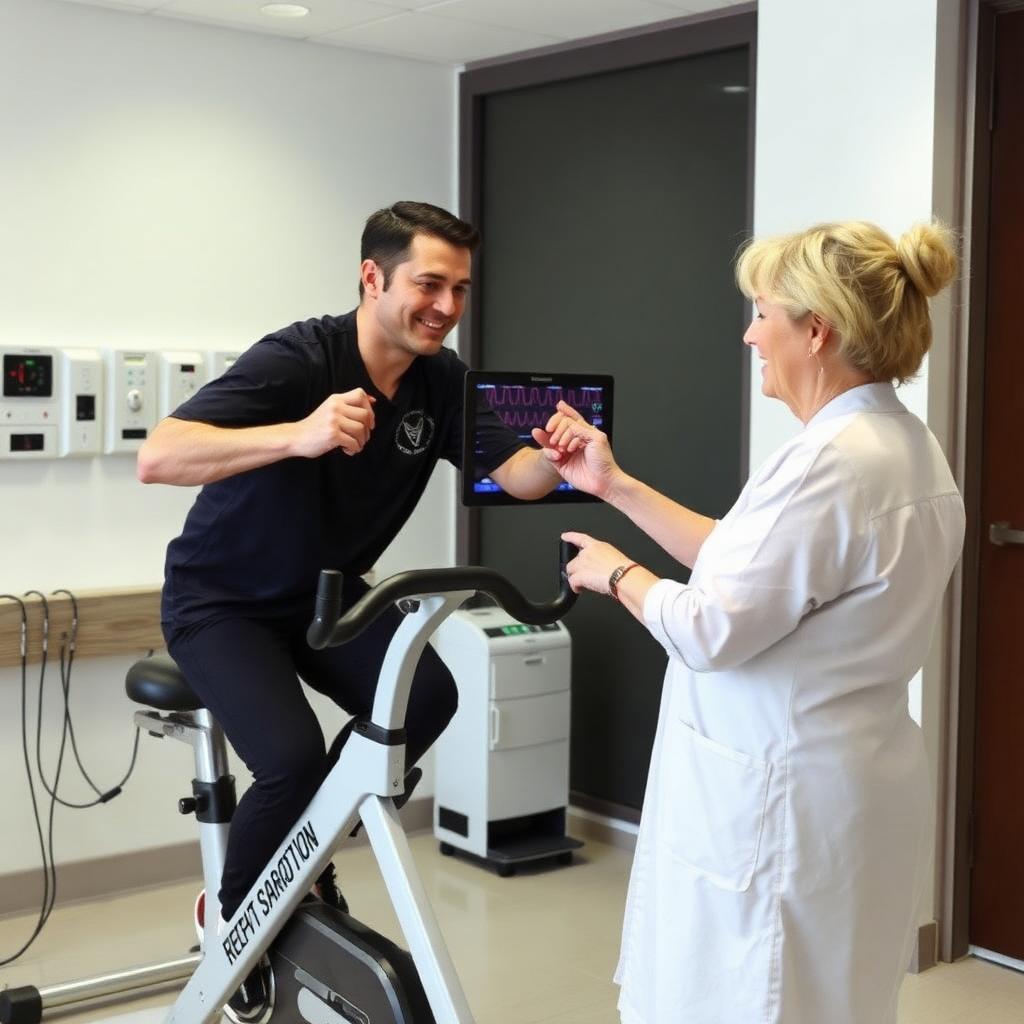
Conditions We Treat
Our experienced physiotherapists provide expert assessment and personalised treatment for a wide range of musculoskeletal, neurological, and sports-related conditions, helping you recover safely and return to your daily activities with confidence.

Back Pain

Neck Pain

Shoulder Pain

Knee Pain
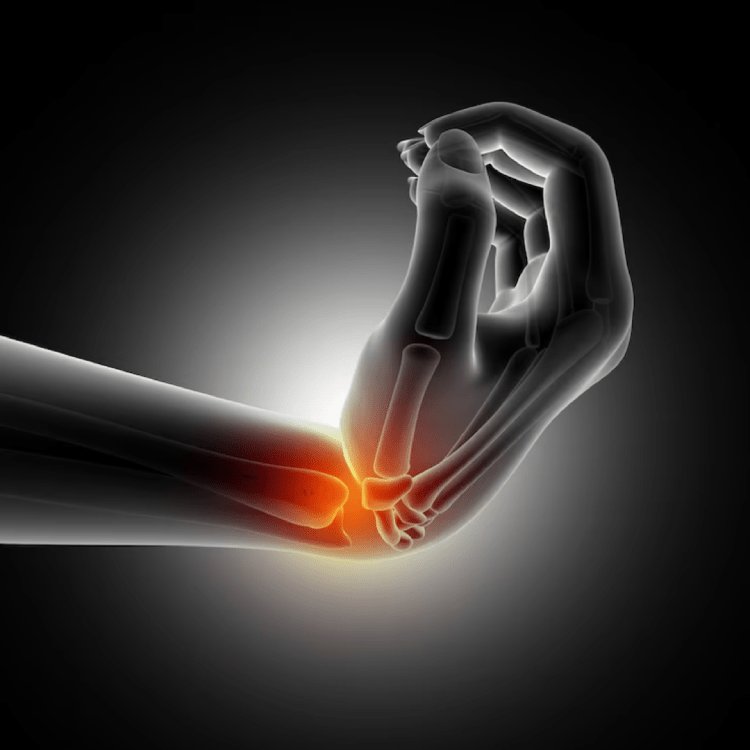
Arthritis

Sports Injuries

Stroke Rehabilitation

Parkinson's Disease

Multiple Sclerosis

What people ask first
"Do I need to go through the NHS first, or can I book privately?"
Most people who find a specialist rehabilitation page didn’t start there. They started with a discharge letter, a consultant’s suggestion, a GP mention, or an HR email. Something specific pointed them here.
The answer varies by pathway. For most, self-referral is fine and you can bring any relevant medical letters. For others — particularly cardiac rehabilitation early after an event — clinical suitability and medical guidance should be factored in before exercise rehab begins. We’re honest about this pathway by pathway.
The second question is usually: is the person running this actually trained for my situation, or is “specialist” just a word on the website? Fair question — and the credentials we list are verifiable.
You’re arranging physiotherapy for a relative who can’t travel easily — a son or daughter, a spouse, or a family member navigating a discharge from hospital. If you’re in this position, you’ve found the right page, and we’re used to supporting this kind of enquiry directly.
The home environment is where the assessment needs to happen — managing the stairs, getting in and out of a particular chair, or moving confidently between rooms. Assessing you at home gives the clinician information a clinic room simply cannot replicate.
Six pathways
Each with its own dedicated page and eligibility route

Cardiac Rehabilitation
Structured exercise and education for adults recovering from a heart attack, cardiac surgery, heart failure, or related cardiovascular events — graduated and supervised around your current capacity.
Pulmonary Rehabilitation
Exercise and education for adults with COPD, bronchiectasis, interstitial lung disease or other respiratory conditions causing persistent breathlessness — eligibility assessed individually.
Pain Management
For adults living with persistent pain — focused on function, pacing, movement confidence and self-management. We don't promise to remove pain; we help you live better with it.
Sports Performance
Movement assessment, sport-specific functional testing and a return-to-sport rehab plan agreed around your activity demands and goals — for athletes and physically active adults.
Workplace & Occupational
Ergonomic assessment, workstation setup advice, return-to-work planning and functional capacity support — sitting alongside, not replacing, employer occupational-health processes.
MDT coordination
With your consent, we communicate with your GP, cardiologist, respiratory team or occupational health adviser — coordination is part of how safe specialist rehab is delivered.
Your assessment
What to expect when you book a specialist physiotherapy assessment
First contact
A practical conversation to confirm the pathway is the right match — which service area you're enquiring about, relevant history or documentation, and what's prompting the enquiry.
Clinical history & goals
A thorough history — diagnosis, treatment to date, current symptoms and limitations — followed by a two-way conversation about what you want to achieve.
Specialist assessment
Tailored to the pathway: cardiovascular or respiratory capacity, persistent-pain function review, sport-specific testing, or a work capacity and ergonomic discussion.
Plan agreement
Before the first session ends, you'll know what the plan involves, roughly how many sessions are anticipated, and when progress will be reviewed — agreed with you, not handed over.
Review & escalation
Review points are built in. If something outside the scope of physiotherapy is identified — a need for medical review, a different specialist or urgent attention — this is communicated clearly and appropriate referral recommended.

What Our Patients Say
See why patients trust Physio Zones for expert physiotherapy and rehabilitation.
Posted on GoogleTrustindex verifies that the original source of the review is Google. He is very good and PatiencePosted on GoogleTrustindex verifies that the original source of the review is Google. I had physiotherapy at physio zones at Brentford centre for my neck pain, professional and provide advise and treatmentPosted on GoogleTrustindex verifies that the original source of the review is Google. I had physio with Physio zones for my back pain thdh aññ heñpfullPosted on GoogleTrustindex verifies that the original source of the review is Google. I had good experience with physio Zones, very helpful and professional.Posted on GoogleTrustindex verifies that the original source of the review is Google. Outstanding experience at Physio Zones. Professional, friendly, and highly skilled team. The treatment was effective, and the clinic has a comfortable and welcoming environment. Highly recommended..!!Posted on GoogleTrustindex verifies that the original source of the review is Google. I’ve had six sessions with Pradeep and he has made a real difference to my sciatica. Highly recommended!Posted on GoogleTrustindex verifies that the original source of the review is Google. I’ve been here three times now, and every visit has been amazing. The staff are always welcoming, professional, and genuinely care about helping you improve.
How we work
What "goal-led rehabilitation" actually means
Goals agreed, not assigned
Cardiac patient's goal might be climbing stairs without stopping. Persistent-pain patient's goal might be sleeping through the night. The goal shapes the plan — the plan doesn't dictate the goal.
Progress reviewed, not assumed
Rehab progress is reviewed at agreed intervals. If something is working, we continue. If it isn't, we adjust rather than pressing on with a plan that isn't serving you.
Outcomes measured, not promised
We use clinical outcome measures where they add value in tracking real progress. We do not promise specific outcomes, recovery timelines or return-to-activity dates.
Self-management from day one
Understanding your condition, pacing activity, maintaining progress between sessions — self-management is part of the goal from the start, not a consolation prize when treatment ends.

Beyond the clinic
Referral & clearance — honestly, by pathway
Rather than a blanket answer, here is how the referral question sits for each of the five services.
Cardiac — suitability confirmed first
We do not begin exercise rehab without a clear understanding of your clinical context. A discharge letter, cardiologist's note or GP information about precautions is genuinely useful — this is how safe cardiac rehab is delivered.
Pulmonary — clinical suitability assessed
No formal GP referral required to enquire, but respiratory clinic letters or test results help at assessment. Some people access private pulmonary rehab alongside NHS pathways.
Pain, Sports & Workplace — self-referral
For most persistent pain, sports and workplace presentations, self-referral is appropriate. Bring recent imaging or reports where relevant. We'll advise if medical assessment is needed before rehab begins.
The practitioners
For a service across five clinical areas, credentials matter
HCPC-registered physiotherapists
Every specialist rehab clinician is registered with the Health and Care Professions Council — publicly verifiable on the HCPC register. We actively encourage you to check.
Chartered Society of Physiotherapy
Where applicable, our clinicians hold membership with the CSP — the professional body setting clinical, ethical and practice standards for UK physiotherapy.
Specialist training — named, not implied
We identify the specific specialist training held by each practitioner — cardiovascular exercise rehab, respiratory physiotherapy, persistent pain management, sports rehab, or occupational physiotherapy — rather than applying a blanket "specialist" label.
Working with your wider team
With your consent, we coordinate with your GP, consultant or hospital team. For cardiac and pulmonary rehab this coordination isn't a courtesy — it's how safe rehab is delivered.
- Where we work
Across Surrey & South West London
We support patients from:
Bracknell
- Windsor
- Slough
- Maidenhead
- Bracknell
Surrey
- Guildford
- Woking
- Reigate
- Epsom
Kingston
- Kingston upon Thames
- Wimbledon
- Twickenham
- Richmond
Hounslow
- Hounslow
- Brentford
- Chiswick
When to seek urgent medical help instead
Seek urgent or emergency medical attention rather than contacting a physiotherapy service for: chest pain, tightness or pressure — particularly on exertion; sudden or severe breathlessness at rest; palpitations with dizziness or loss of consciousness; coughing or vomiting blood; sudden, unexplained severe pain; rapidly worsening neurological symptoms such as weakness, slurred speech or sudden loss of balance; or any symptom you believe may indicate a medical emergency. Call 999 in an emergency, or contact your GP or NHS 111 for urgent but non-emergency concerns. Specialist physiotherapy is not an emergency service.
Frequently Asked Questions
What does specialist physiotherapy and rehabilitation involve?
A structured assessment of your condition, function and goals, followed by a tailored rehabilitation plan appropriate to the clinical context. The five pathways — cardiac, pulmonary, pain, sports and workplace — each have distinct assessment approaches and programme structures. The common thread: the plan is agreed individually, not applied as a one-size-fits-all template.
Do I need medical clearance before cardiac rehabilitation physiotherapy?
It depends on your clinical situation. Cardiac rehab is most appropriate once cardiac stability has been established and relevant medical guidance reviewed. A discharge letter, cardiologist’s advice or GP-provided information about current limitations is genuinely important — not a bureaucratic hurdle. We do not begin exercise rehab without understanding your current clinical context.
Who can benefit from pulmonary rehabilitation physiotherapy?
Adults with a confirmed respiratory condition — COPD, bronchiectasis, interstitial lung disease or other conditions causing persistent breathlessness limiting exercise or daily activity. It’s a structured exercise and education programme, not a general breathing class, and eligibility is assessed individually.
What does pain management physiotherapy involve?
For persistent pain, we focus on the relationship between pain, function and daily life — not on attempting to eliminate pain through treatment. It typically involves understanding why pain persists, developing pacing skills, building movement confidence and identifying practical self-management strategies.
What happens in a sports performance physiotherapy assessment?
A review of your injury or performance history, current limitations, sport or activity demands and goals — followed by a movement assessment and sport-specific functional review. You leave with a clear picture of what’s affecting your performance or recovery, a return-to-sport plan where relevant, and realistic milestones that reflect your actual activity.
Can physiotherapy support a return-to-work plan?
Yes — return-to-work physiotherapy provides practical rehab around physical function, work capacity and specific role demands. This may include ergonomic assessment, graded activity planning and — where agreed — coordination with your employer or occupational health adviser. It doesn’t replace an employer’s occupational-health assessment or issue formal fitness-to-work certifications.
Is workplace physiotherapy the same as occupational health?
Not exactly — there’s overlap in purpose but a clear distinction. Workplace physiotherapy focuses on rehabilitation. Employer occupational-health processes — risk assessment, fitness-to-work certification, employer-directed evaluation — remain the employer’s domain. Physiotherapy complements occupational health, but it doesn’t replace it.
Are rehabilitation programmes tailored to the individual?
Yes — genuinely. Plans are agreed at assessment based on your presentation, goals, clinical context and response to early treatment. Review points are built in so the plan can be adjusted if something isn’t working, or progressed if you’re moving faster than anticipated.
The physiotherapist comes to you. It really is that simple.
Whether you’re booking for yourself, for a family member, or following up on discharge guidance — get in touch and we’ll confirm coverage, discuss your situation, and arrange a visit that works around you.