- Knee Pain Physiotherapy
Workplace Physiotherapy to Support Employee Health, Recovery and Safe Return to Work
Musculoskeletal pain and injuries can have a significant impact on an employee’s ability to work comfortably and effectively. Back pain, neck pain, repetitive strain injuries and work-related musculoskeletal problems can contribute to sickness absence, reduced productivity and difficulty returning to normal duties.
At Physio Zones, our HCPC-registered Chartered Physiotherapists provide professional occupational physiotherapy services for employees, employers and organisations across West London.
Our services focus on assessing and managing work-related musculoskeletal problems, supporting rehabilitation, improving workplace function and helping employees make a safe and sustainable return to work.
We can provide physiotherapy at our clinic, through workplace visits and, where appropriate, in the employee’s home.
✓ Occupational Physiotherapy Assessments
✓ Workplace & Ergonomic Assessments
✓ Return-to-Work Rehabilitation
✓ Clinic, Workplace & Home Visits
HCPC-registered clinicians
NICE-aligned care
Same-day slots when available
London · Surrey · Berkshire

What it is
What Is Occupational Physiotherapy?
Occupational physiotherapy focuses on the relationship between a person’s health, physical abilities and their work.
An occupational physiotherapist assesses how an injury or musculoskeletal condition affects an employee’s ability to carry out their normal duties and develops a rehabilitation programme based on the physical demands of their role.
Treatment may focus on:
- Reducing pain
- Restoring movement
- Improving strength
- Improving functional capacity
- Managing work-related symptoms
- Preventing recurrence
- Supporting return to work
- Improving workplace ergonomics
Our aim is to help employees remain healthy, active and productive while supporting employers with practical rehabilitation recommendations.


Who Can Benefit From Occupational Physiotherapy?
Our occupational physiotherapy services are suitable for employees experiencing:
- Back pain
- Neck pain
- Shoulder pain
- Knee pain
- Repetitive strain injuries
- Work-related upper limb disorders
- Muscle and joint injuries
- Sports injuries affecting work
- Post-operative rehabilitation
- Work-related injuries
- Persistent musculoskeletal pain
- Reduced mobility
- Difficulty returning to work after injury
We can also provide preventative assessments for employees who are experiencing early symptoms before they develop into more significant problems.
Presentations we assess
Occupational Physiotherapy Assessment
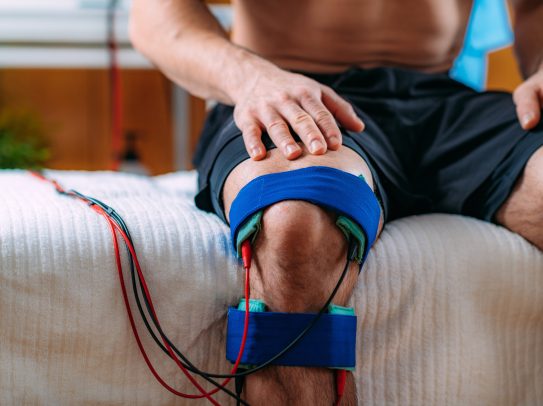
Every employee begins with a comprehensive physiotherapy assessment
Every employee begins with a comprehensive physiotherapy assessment. We discuss: Current symptoms, Medical history, Previous injuries, Job role, Normal working duties, Physical demands of the job, Working environment, Hours and working patterns, Activities that aggravate symptoms, Current work restrictions, Rehabilitation goals, Your physiotherapist may then assess: Joint movement, Muscle strength, Flexibility, Posture, Functional movement, Balance, Manual handling ability, Work-related movements, Functional capacity, This enables us to develop a rehabilitation programme specifically related to the employee's work.
Workplace Physiotherapy
Where appropriate, our physiotherapists can provide assessments within the workplace. This allows us to understand the employee's actual working environment and identify factors that may contribute to their symptoms. A workplace assessment may consider: Workstation setup, Seating position, Desk height, Computer and monitor positioning, Repetitive tasks, Manual handling, Lifting activities, Working posture, Movement patterns, Physical demands of the role, Practical recommendations can then be provided to both the employee and employer where appropriate and with appropriate consent.
Ergonomic & Workstation Assessments
Poor workstation setup can contribute to neck, shoulder, back and upper-limb symptoms. Our ergonomic assessments may review: Chair setup, Desk height, Monitor position, Keyboard and mouse positioning, Sitting posture, Working-from-home arrangements, Movement breaks, Repetitive activities, We provide practical recommendations designed to improve comfort and reduce unnecessary physical strain.
Return-to-Work Rehabilitation
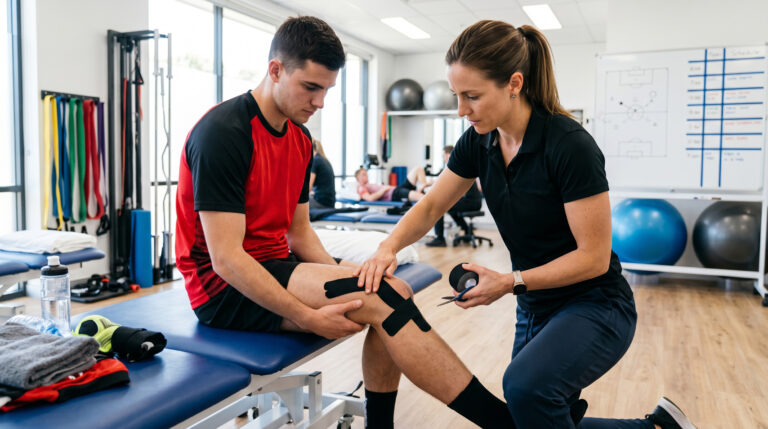
Returning to work following an injury, surgery or prolonged absence can be challenging. Our physiotherapists can develop a structured rehabilitation programme designed around the employee's job requirements. Treatment may include: Strengthening, Mobility exercises, Functional rehabilitation, Work-specific exercises, Manual handling practice, Endurance training, Pacing strategies, Education and self-management, Gradual increase in physical activity, The aim is to support a safe and sustainable return to normal duties.
Your first appointment
A conversation and an assessment, not a pre-set treatment
Detailed clinical history
When the pain began, what changes it, previous episodes, medical history, work demands, sleep and personal recovery goals.
Movement and functional assessment
Observation of spinal, hip and everyday movements, rather than judging posture from appearance alone.
Muscle, joint and nerve screening
Selected tests based on your symptoms, including neurological checks when leg symptoms are present.
Clear explanation and plan
A plain-English discussion of likely contributing factors, an initial management plan, and agreed measurable review points.

What treatment can include
Evidence-led care, built around your goals
Personalised rehabilitation
Graded mobility, strength, control and activity progression matched to your current ability and goals.
Self-management guidance
Realistic advice for sitting, driving, lifting, sleep positions and pacing during a flare-up.
Manual therapy where appropriate
Hands-on techniques as one part of a wider programme that includes exercise and self-management — never a stand-alone quick fix.
Return-to-activity planning
A staged route back to work, caring responsibilities, exercise, hobbies or sport, with progress reviewed against meaningful milestones.
Beyond the clinic
When a clinic appointment isn't the right fit
If clinic visits are impractical, or your symptoms are tied to
a specific setting, related pathways may be more appropriate.
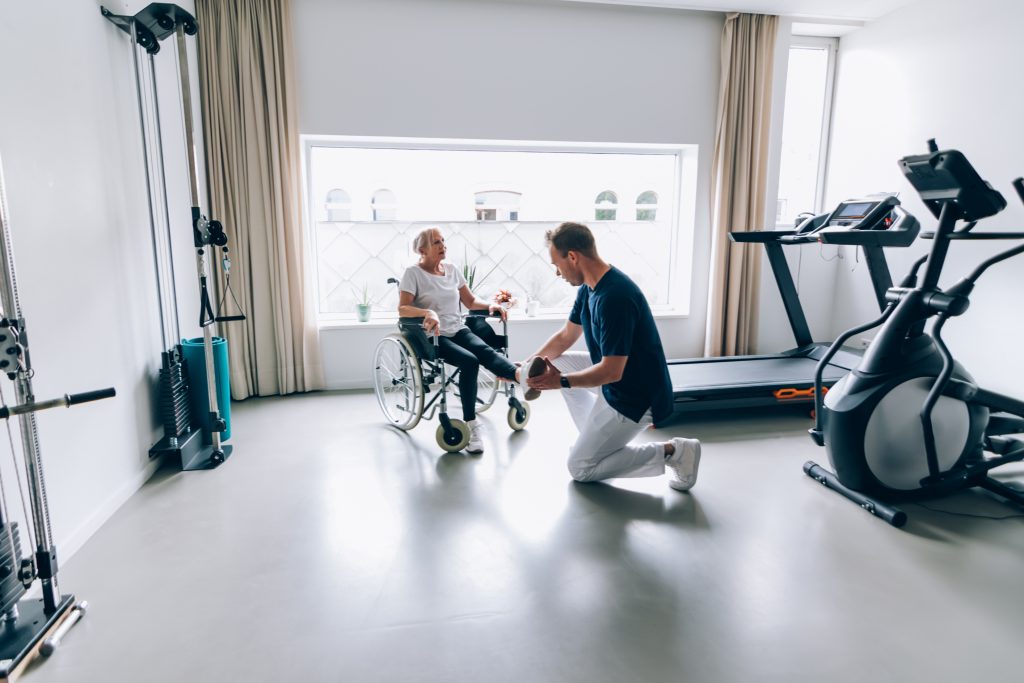
Home visit physiotherapy
If mobility, recovery from surgery or difficulty travelling makes clinic visits hard, assessment and rehabilitation can be delivered at home.
Online & telehealth
A remote consultation can be a useful first step or a way to maintain progress between in-person sessions.
Workplace physiotherapy
If back pain is tied to prolonged sitting, manual handling or repetitive work, a workplace-aware approach often supports recovery.
Why choose Physio Zones
Person-centred, honest and locally relevant
Person-centred decisions
Your concerns, capabilities, preferences and daily responsibilities shape the plan — not a one-size-fits-all protocol.
Honest clinical guidance
If physiotherapy isn't the right next step, the priority is appropriate onward advice or referral.
Locally relevant planning
Recommendations are adapted to commuting, desk work, driving, caring duties and manual work common across our service area.
No unrealistic guarantee
Healthcare outcomes vary. Our commitment is to communicate clearly, review progress and adjust the plan responsibly.
- Where we work
Across Berkshire, Surrey & South West London
We support patients from:
Bracknell
- Windsor
- Slough
- Maidenhead
- Bracknell
Surrey
- Guildford
- Woking
- Reigate
- Epsom
Kingston
- Kingston upon Thames
- Wimbledon
- Twickenham
- Richmond
Hounslow
- Hounslow
- Brentford
- Chiswick
Frequently Asked Questions
What is occupational physiotherapy?
Occupational physiotherapy focuses on assessing and treating physical conditions that affect an employee’s ability to work. It combines physiotherapy rehabilitation with consideration of the employee’s job demands, workplace environment and functional abilities.
What conditions can occupational physiotherapy help with?
We can assess and treat a range of work-related musculoskeletal problems, including back pain, neck pain, shoulder pain, knee pain, repetitive strain injuries, muscle and joint injuries, post-operative conditions and persistent musculoskeletal pain.
Can employers refer employees directly to Physio Zones?
Yes. Employers, occupational health providers, insurers, case managers and rehabilitation organisations can refer employees to Physio Zones, subject to appropriate consent and information-sharing arrangements.
Can you help employees return to work after an injury?
Yes. We provide personalised return-to-work rehabilitation designed around the employee’s condition and physical job requirements. This may include strengthening, mobility exercises, functional rehabilitation and work-specific activities.
Do you provide workplace physiotherapy assessments?
Yes. Where appropriate, our physiotherapists can assess employees within their workplace. This allows us to better understand their job demands, working environment and activities that may be contributing to their symptoms.
Do you provide ergonomic and workstation assessments?
Yes. We can assess workstation setup, seating, desk and monitor positioning, posture, repetitive activities and working habits. We then provide practical recommendations to improve comfort and reduce unnecessary physical strain.
Can occupational physiotherapy help with work-related back and neck pain?
Yes. Back and neck pain are common workplace musculoskeletal problems. Physiotherapy can help reduce symptoms, restore movement and strength, while ergonomic advice can address workplace factors that may be contributing to the problem.
Can you assess employees who work from home?
Yes. We can provide advice for employees working remotely, including home-workstation setup, posture, movement breaks and exercises. Home physiotherapy visits may also be available depending on location.
Do you provide return-to-work recommendations?
Where appropriate, our physiotherapists can provide recommendations based on the employee’s clinical assessment and functional abilities. These may include gradual increases in activity or temporary adjustments within the scope of physiotherapy. Final employment decisions remain with the employer and relevant occupational-health professionals.
Book Occupational physiotherapy Assessment today
Take the first step towards reducing work-related pain, improving physical function, and achieving a safe and confident return to work.